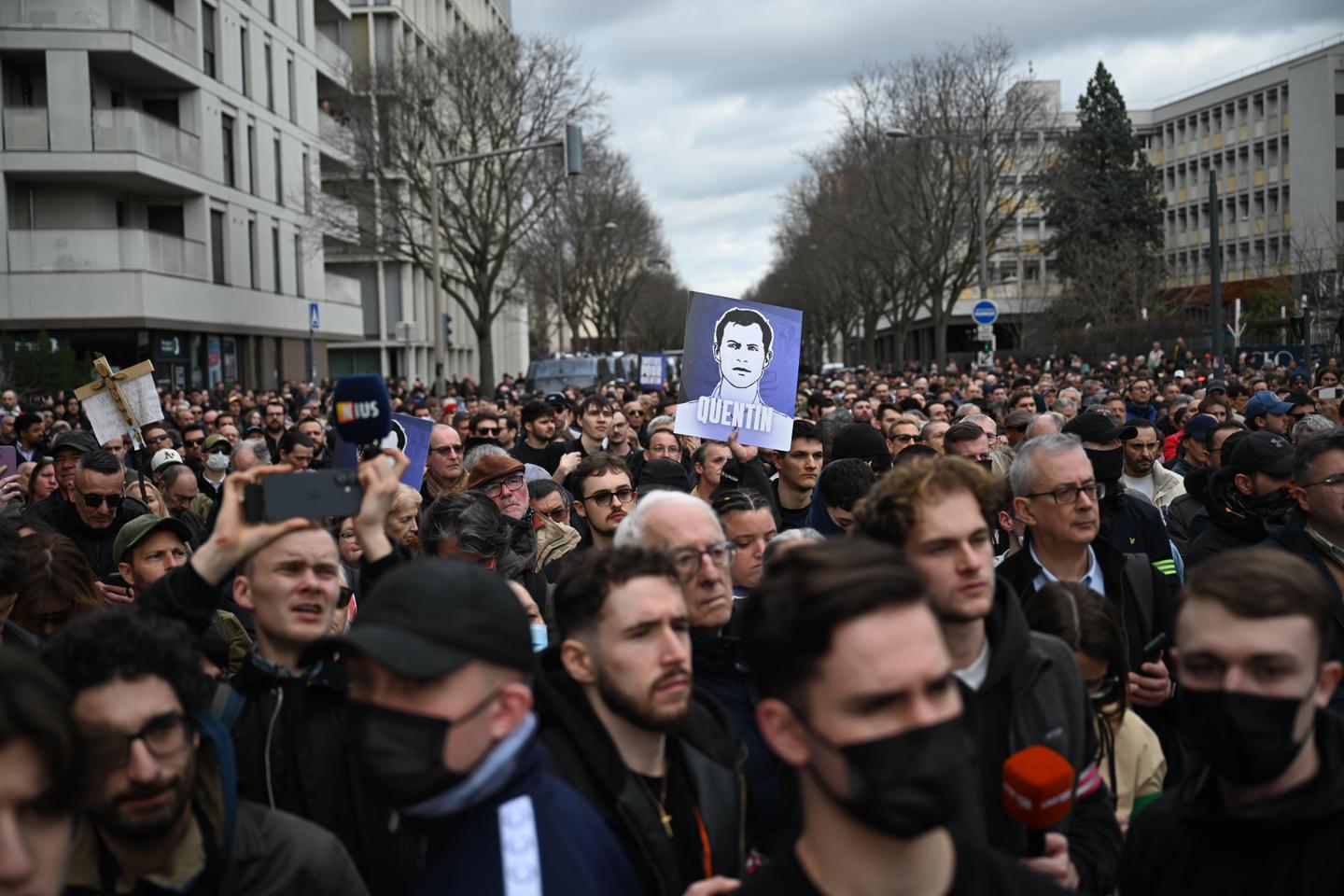
Lyon Protests: Far-Right Rallies After Activist's Killing Fuels French Tensions
The streets of Lyon, a historic and vibrant city in France, recently became the focal point of escalating political tensions following the tragic death of a far-right activist. What began as a local incident quickly reverberated across the nation, drawing thousands of demonstrators and sparking a significant diplomatic spat between France and Italy. The subsequent Lyon protest far right supporters organized highlighted France's deepening political polarization and laid bare the raw nerves of a society grappling with extremist ideologies and the specter of political violence. This pivotal event has not only jolted the French political class but also cast a long shadow over the upcoming electoral cycles, underscoring the urgent need for dialogue in an increasingly fractured landscape.
The Spark: A Tragic Death Ignites Division in Lyon
The catalyst for the recent unrest was the death of 23-year-old Thomas Deranque, a far-right activist who succumbed to injuries sustained during a violent altercation. On February 12, Deranque was reportedly beaten during a far-right protest in Lyon, an incident that prosecutors attribute to hard-left activists. This act of violence sent shockwaves through the far-right community, transforming Deranque into a martyr figure and providing a powerful rallying cry for his supporters. The immediate aftermath saw intensified local tensions, with calls for justice and retribution echoing across social media and within various political circles.
In a rapid development, authorities made several arrests in connection with the beating. Seven individuals now face murder charges, including Jacques-Elie Favrot, an assistant to Raphaël Arnault, a lawmaker from the far-left France Unbowed (LFI) party. Favrot, who has been placed in pre-trial detention, faces charges of complicity through instigation, alongside other suspects who vehemently deny the accusations. This direct link to a political figure from the far-left further amplified the incident's political weight, drawing clear lines of division and intensifying the blame game between France's opposing ideological camps. The legal proceedings are closely watched, as they hold the potential to either calm or further inflame an already volatile situation, with implications for how political violence is perceived and prosecuted in the country.
Thousands Take to the Streets: The Far-Right's Resurgence
In the wake of Deranque's death, approximately 3,200 far-right supporters converged in Lyon to honor their slain comrade and demonstrate their collective strength. This significant Lyon protest far right supporters staged was far more than a simple memorial; it was a potent display of unity and defiance. Demonstrators marched through the city's streets, carrying banners emblazoned with slogans that mourned Deranque and denounced what they perceive as political violence perpetrated by the left. The atmosphere was charged with emotion, a mix of grief and determined solidarity, as participants expressed their grievances and anxieties about the state of French society.
Security forces maintained a robust presence throughout the demonstration, strategically positioned to prevent any potential clashes with counter-protesters or spontaneous eruptions of violence. While the march remained largely peaceful, its very existence underscored the growing assertiveness of far-right movements not just in France, but across Europe. These rallies serve as a powerful tool for mobilization, allowing these groups to consolidate their base, attract new followers, and project an image of strength and relevance. The demonstration in Lyon highlighted the ongoing debates in France concerning freedom of assembly, the limits of protest, and the increasing visibility of extremist groups pushing their narratives into the mainstream political discourse. This particular event cemented the incident's place as a flashpoint in the broader struggle against political extremism and polarization.
A Diplomatic Storm: Macron vs. Meloni
The tragic events in Lyon quickly transcended national borders, evolving into a diplomatic incident that saw French President Emmanuel Macron and Italian Prime Minister Giorgia Meloni engage in a sharp public exchange. Meloni, a conservative leader, initially weighed in on social media, condemning the killing "by groups linked to left-wing extremism" as "a wound for all of Europe." Her statement, while framed as a broader concern for European stability, was perceived by many, including Macron, as an intervention in French internal affairs.
Macron, speaking to reporters during a trip to India, responded with palpable anger, suggesting that "everyone should stay in their own lane." He critically remarked, "I’m always struck by how people who are nationalists, who don’t want to be bothered in their own country, are always the first ones to comment on what’s happening in other countries." When directly asked if his comments targeted Meloni, Macron unequivocally replied, "You got that right." This direct rebuke underscored the deep ideological fissures that often complicate relations between European leaders, particularly those with differing political leanings. Meloni subsequently expressed regret that Macron had "experienced it as interference," attempting to de-escalate the situation while subtly reaffirming her right to comment on issues affecting Europe. This incident is a stark reminder of how internal political events can swiftly escalate into Macron vs. Meloni: Lyon Far-Right Killing Sparks European Diplomatic Row, challenging the delicate balance of international diplomacy and highlighting the sensitivity surrounding political violence and its interpretation across the continent.
French Tensions Mount: The Road to 2027
Beyond the immediate human tragedy and the international squabble, the Lyon protest far right organized, and the underlying circumstances of the activist's death, have profoundly "jolted France’s political class." The incident has undeniably "fuelled tensions" between the far-right and far-left, raising concerns about potential further polarization as France approaches crucial electoral milestones. With municipal elections on the horizon in March and the highly anticipated presidential race in 2027, the political atmosphere is becoming increasingly charged. President Macron will be stepping down after serving his maximum two consecutive terms, leaving a political vacuum that various factions are eager to fill.
Opinion polls currently place the far-right in a strong position for the 2027 presidency, a prospect that deeply divides the nation. The incident in Lyon serves as a stark warning of how quickly ideological differences can translate into real-world violence, particularly when fueled by political rhetoric and perceived injustices. For political leaders and citizens alike, navigating this landscape requires careful consideration. It’s crucial for all political actors to engage in responsible discourse, actively condemn violence from all sides, and prioritize national unity over partisan gain. Promoting robust civic education and fostering environments for respectful debate can help de-escalate tensions and address the underlying grievances that extremist groups often exploit. Understanding these dynamics is essential for comprehending France's Political Divide: Lyon Unrest Jolts Nation Ahead of 2027 Elections and the challenges it faces in maintaining social cohesion amidst deepening ideological rifts.
Conclusion
The far-right rallies in Lyon following the tragic death of an activist have underscored the escalating political tensions gripping France. This pivotal event, marked by a significant public demonstration and an unusual diplomatic spat between President Macron and Prime Minister Meloni, highlights the profound challenges posed by political polarization and extremist ideologies. As France looks towards upcoming elections, the incident serves as a stark reminder of the fragility of social cohesion and the urgent need for constructive dialogue across the political spectrum. The events in Lyon are not merely an isolated incident but a barometer of a nation grappling with its identity, its future, and the escalating battle against the forces of division.